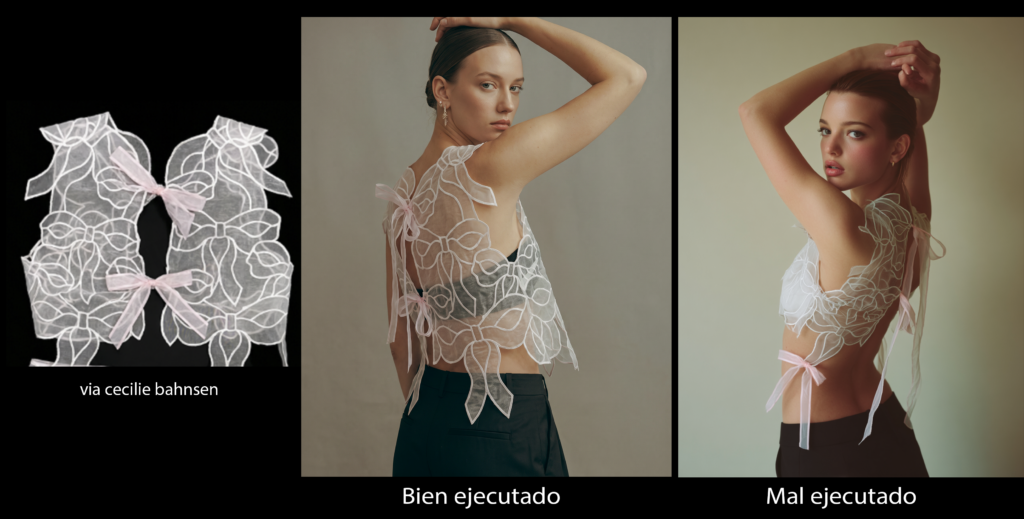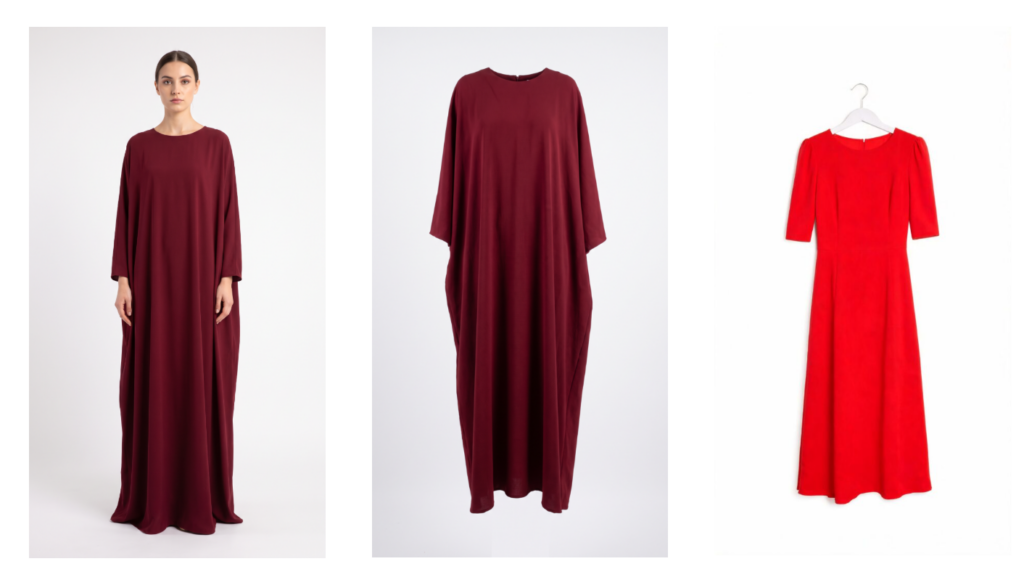
The consistency of a catalogue is not decided in the image you are generating right now. It is decided before you generate the first one. When a brand reviews its first fifty AI-generated images and senses that something is off, the quality of each individual photo is rarely the problem: they fail together. Each one is correct and the set does not look like the same brand.
The reason has an unglamorous name: no system. An image tool has no memory of your brand. Every generation starts from zero and, unless it receives exactly the same parameters, it returns a different reading of the same thing. Variation that reads as richness in a single image reads as noise across three hundred.
What drifts, and where does it starts
Inconsistency almost never arrives all at once. It creeps in through five specific places, and it is worth knowing which, because each one is fixed differently.
| Element | How it drifts | What holds it |
|---|---|---|
| Light | Every shot with a different temperature and direction | A lighting description written once and reused literally across the whole catalogue |
| Framing | Shots that mix portrait logic with product logic | A short, closed set of framings defined by garment type |
| Model | Face and body change between shots in the same series | A fixed visual reference of the model, never a verbal description |
| Background | Greys that are not the same grey and shadows that fall differently | A defined background value, repeated without rewriting it |
| Garment colour | The same burgundy comes out differently in every generation | A visual reference of the real garment, not the name of the colour |
Of the five, colour and model are the expensive ones. An uneven background is fixed in retouching; a model whose face changes between shot three and shot eleven forces you to redo the entire series.
System first, volume second
The temptation is to start with the garments, because they are what has to sell. That is the wrong order. Before producing the catalogue you have to produce the system: between six and ten images that fix light, framing, background and casting, approved internally as the reference. Those images never reach the catalogue. They are the pattern everything else is measured against.
Producing the system takes a few days. Redoing three hundred images because there was no system takes a season.
With that pattern fixed, production stops being a run of decisions and becomes execution. It is also what allows more than one person to work on it without anyone being able to tell who did what.
What the prompt does not fix
There is a limit worth being clear about from the start: writing a better instruction improves the individual image, but it does not guarantee the relationship between images. The consistency of a series rests on reused visual references and on human review, not on the wording of the text you hand the tool.
That is why quality control cannot be image by image. It has to happen in blocks: put the shots together, on the same screen and at the real size of the product page, and look at them the way a buyer will. Consistency failures only show up in the set.
When the tool changes
Part of this is not a method problem but a calendar one. Image models update every few months, and an update can shift the way the same instruction is read: the light comes out a shade cooler, the skin a shade smoother. If the catalogue is produced in batches months apart, that drift walks in without anyone having decided on it.
The defence is simple and almost nobody applies it: keep the reference block and regenerate it at the start of every batch. If the new images no longer match the approved pattern, the tool has changed and you adjust before producing, not after. Half an hour of work that saves a season from coming apart.
Visual consistency is not an effect of the tool. It is a production decision taken beforehand, written down, and defended every time someone proposes stepping outside it because "this garment calls for different light".
Qué se descoloca, y por dónde empieza
Inconsistency almost never arrives all at once. It creeps in through five specific places, and it is worth knowing which, because each one is fixed differently.
| Element | How it drifts | What holds it |
|---|---|---|
| Light | Every shot with a different temperature and direction | A lighting description written once and reused literally across the whole catalogue |
| Framing | Shots that mix portrait logic with product logic | A short, closed set of framings defined by garment type |
| Model | Face and body change between shots in the same series | A fixed visual reference of the model, never a verbal description |
| Background | Greys that are not the same grey and shadows that fall differently | A defined background value, repeated without rewriting it |
| Garment colour | The same burgundy comes out differently in every generation | A visual reference of the real garment, not the name of the colour |
Of the five, colour and model are the expensive ones. An uneven background is fixed in retouching; a model whose face changes between shot three and shot eleven forces you to redo the entire series.
System first, volume second
The temptation is to start with the garments, because they are what has to sell. That is the wrong order. Before producing the catalogue you have to produce the system: between six and ten images that fix light, framing, background and casting, approved internally as the reference. Those images never reach the catalogue. They are the pattern everything else is measured against.
Producing the system takes a few days. Redoing three hundred images because there was no system takes a season.
With that pattern fixed, production stops being a run of decisions and becomes execution. It is also what allows more than one person to work on it without anyone being able to tell who did what.
What the prompt does not fix
There is a limit worth being clear about from the start: writing a better instruction improves the individual image, but it does not guarantee the relationship between images. The consistency of a series rests on reused visual references and on human review, not on the wording of the text you hand the tool.
That is why quality control cannot be image by image. It has to happen in blocks: put the shots together, on the same screen and at the real size of the product page, and look at them the way a buyer will. Consistency failures only show up in the set.
When the tool changes
Part of this is not a method problem but a calendar one. Image models update every few months, and an update can shift the way the same instruction is read: the light comes out a shade cooler, the skin a shade smoother. If the catalogue is produced in batches months apart, that drift walks in without anyone having decided on it.
The defence is simple and almost nobody applies it: keep the reference block and regenerate it at the start of every batch. If the new images no longer match the approved pattern, the tool has changed and you adjust before producing, not after. Half an hour of work that saves a season from coming apart.
Visual consistency is not an effect of the tool. It is a production decision taken beforehand, written down, and defended every time someone proposes stepping outside it because "this garment calls for different light".
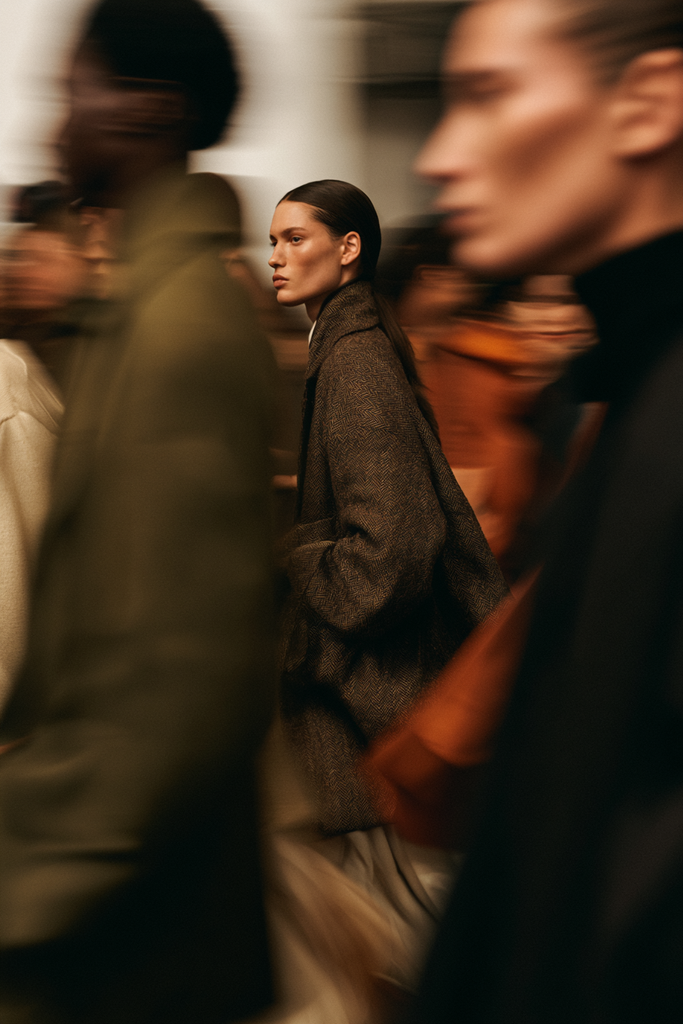



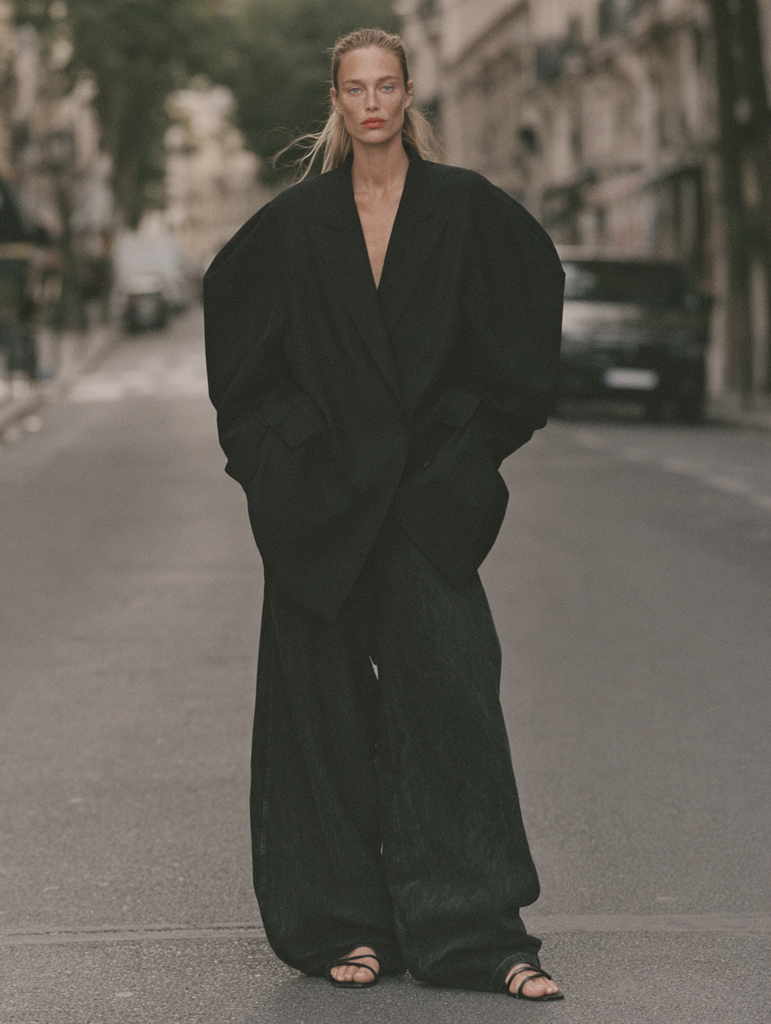
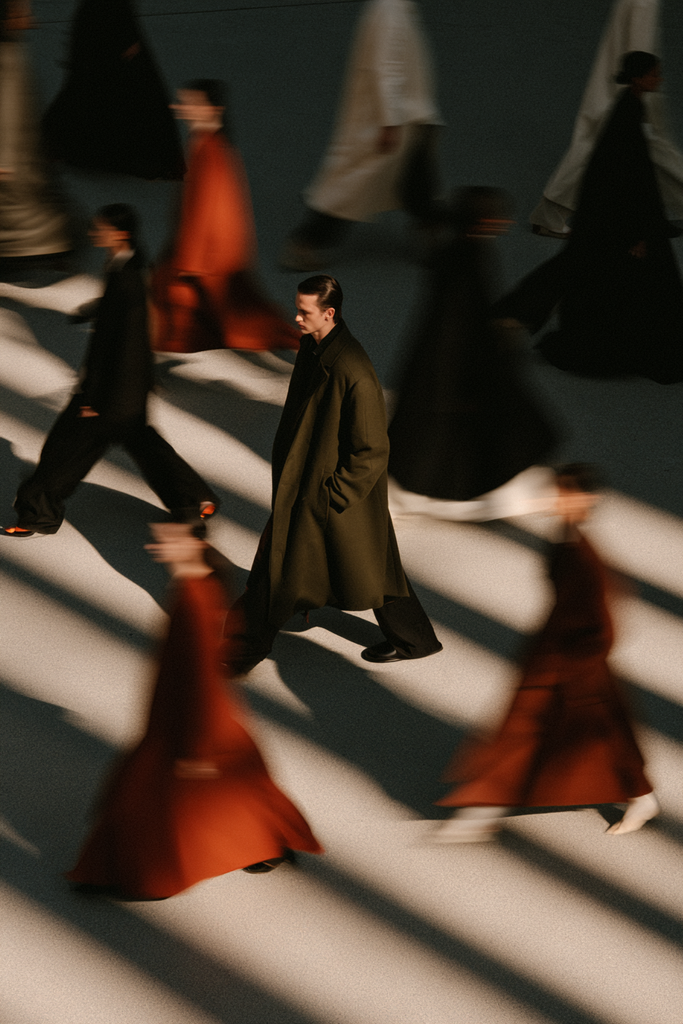
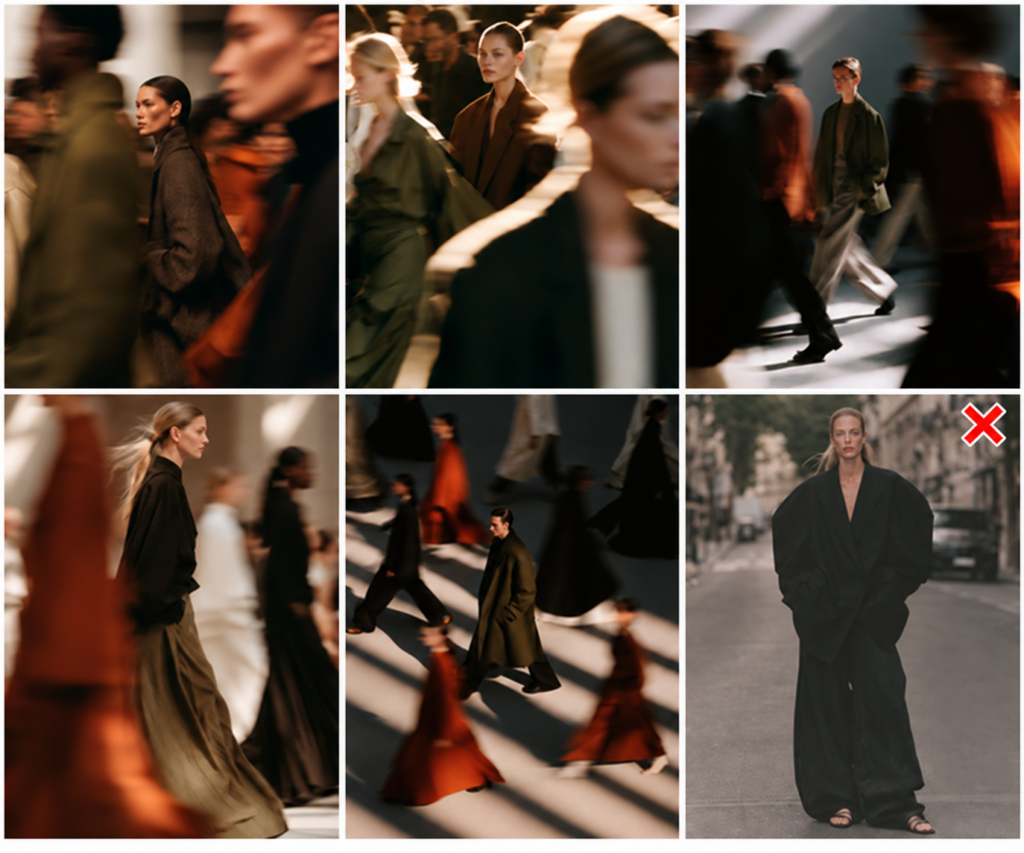
Six images. One stands out. The difference is clear.
| This article reflects the state of AI tools as of October 2026. Given the pace of change in the sector, some of the features or tools mentioned may have changed since then. |